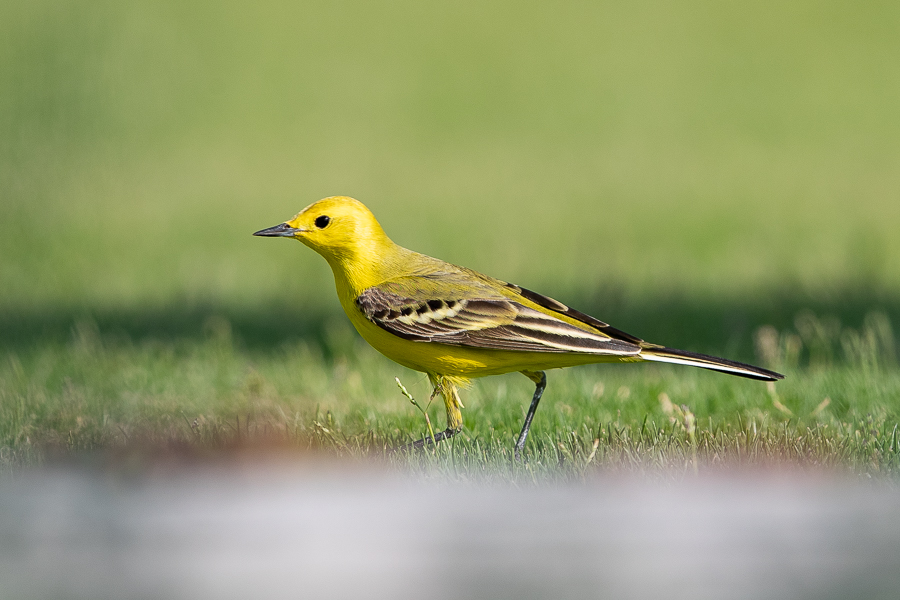
Birding the football fields near Dhahran Wastewater Lake in 6 May produced twenty plus Yellow Wagtails. One of the Yellow Wagtails was a bright adult male lutea Yellow Wagtail. It was feeding around the grassy football fields but came close to the edge near the road allowing some close-up photos to be taken. I rarely see this sub-species and was pleasantly surprised when I located the bird on the field. The plumage variation of the male lutea in summer can by divided into three main types: a) wholly yellow head, b) yellow supercilium and forehead, and largely yellow ear-coverts & c) yellow supercilium, greenish forehead and crown, largely greenish ear-coverts, and distinct dark loral stripe. The bird seen had a wholly yellow head and was a very bright individual. In Saudi Arabia, it is uncommon and usually occurs singly or a few individuals in flocks of M. f. flava. They occur in the central regions from March to May and again from August to November. In the Eastern Province, birds occur from mid-April to mid-May where it appears to be the least common western yellow wagtail along with the superciliaris. In the western part of Saudi Arabia, four males were captured in Hadda (Makkah Region) on 3rd April 1948 (Meinertzhagen, 1949) and there is a record from Wadi Muhayil (Asir Province) on 8 May 2002.
Jem's Birding & Ringing Exploits in the Eastern Province and elsewhere in Saudi Arabia
10 May 2023
08 May 2023
A scattering of migrants – Dhahran Wastewater Lake
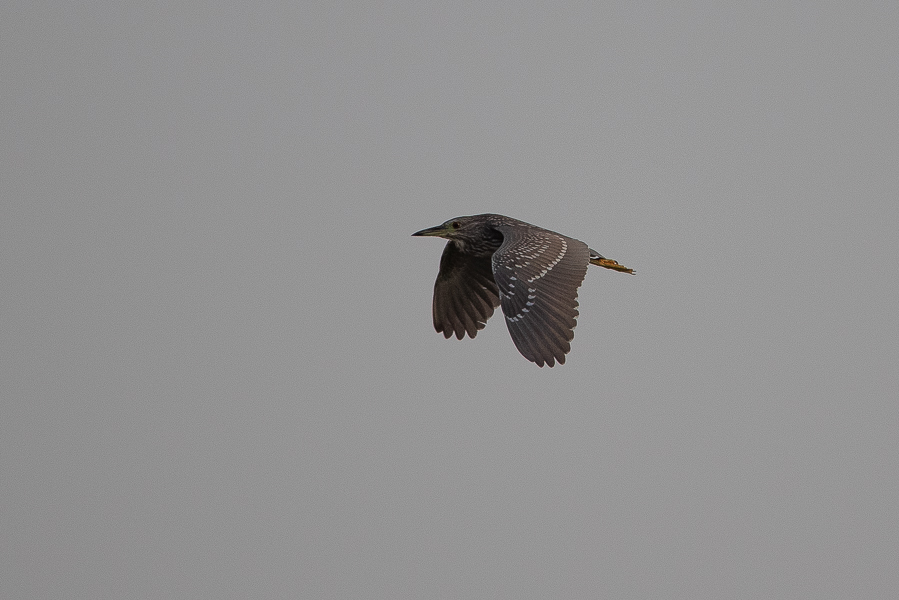
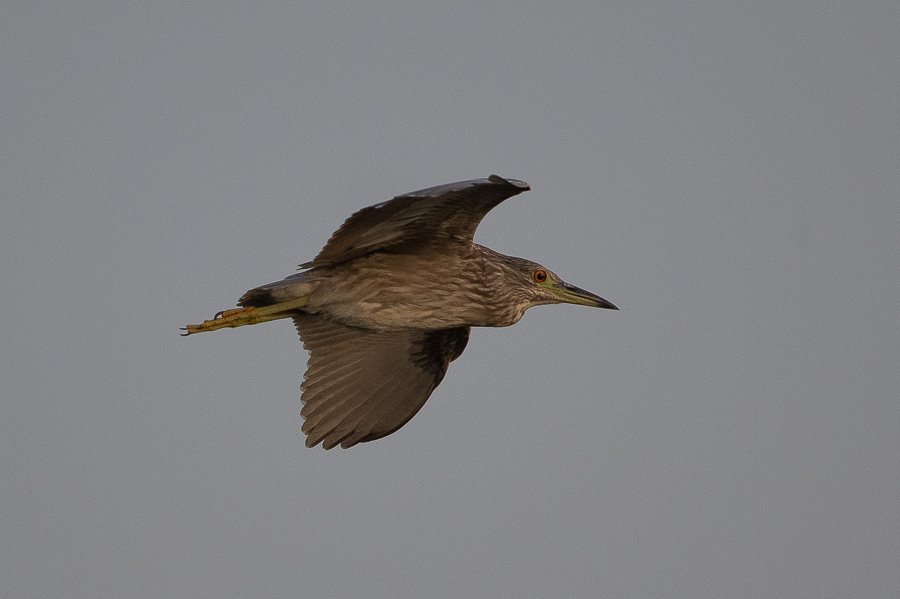
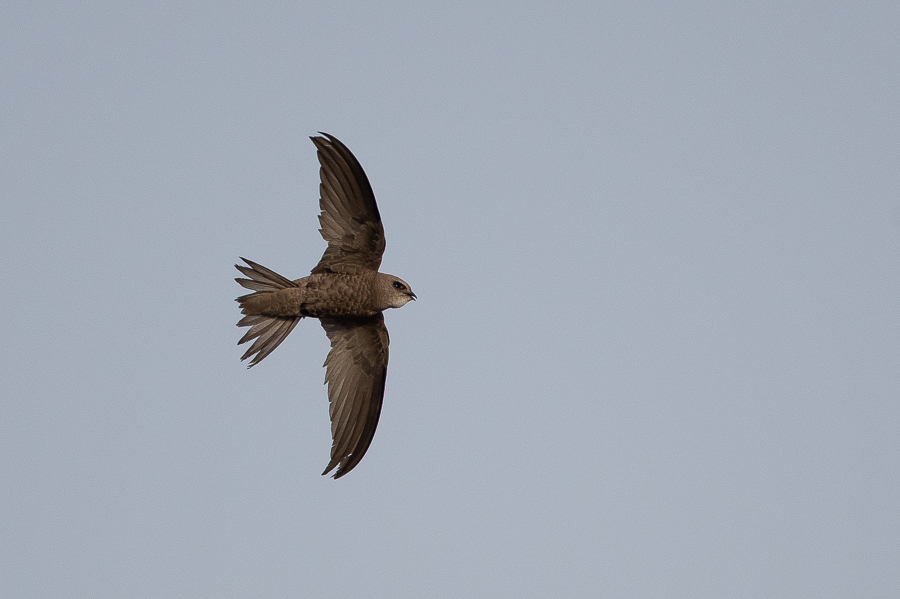
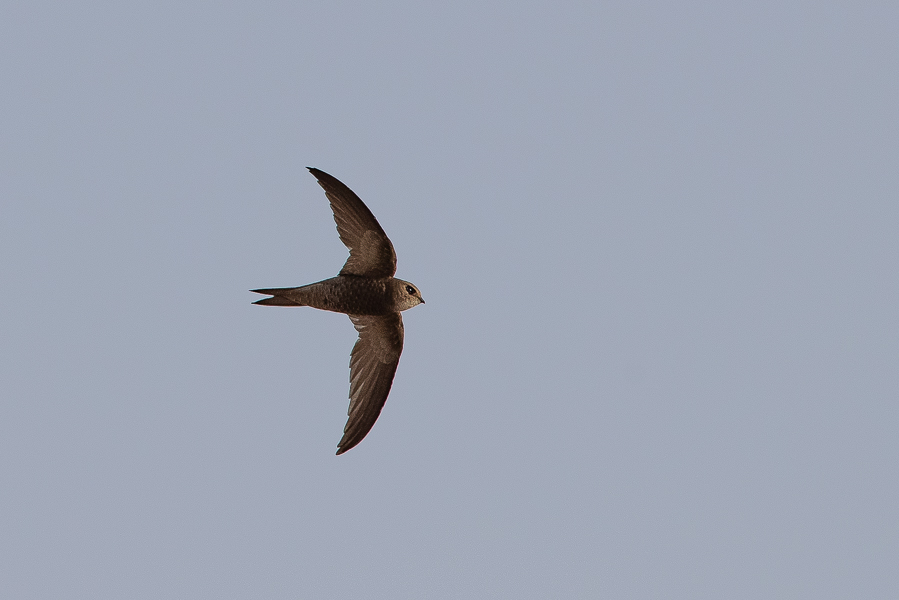
Birding Dhahran Wastewater Lake recently produced double figures of Black-crowned Night Heron. These birds are normally seen very early in the morning, like the ones photographed here, or in the late evening. Other herons were few and far between with only a handful of Squacco Heron and five Grey Heron. The best bird was a Crested Honey Buzzard, but I was not quick enough to get a photograph of the bird. Several hundred Pallid Swift were flying over the lake, but trying to get good photos of these fast-flying birds is not easy. Many of the birds were showing signs of feather wear suggesting they may have already bred locally, with several coming down to drink water on occasions. Three Ortolan Bunting were in a tree by the lake and twenty Willow Warblers were scattered around in the bushes. Otherwise, a single Common Nightingale was the only other migrant seen. Delicate Prinia were singing in the bushes but never allowed close approach.
![]() |
| Black-crowned Night Heron - juvenile |
![]() |
| Black-crowned Night Heron - juvenile |
![]() |
| Black-crowned Night Heron - juvenile |
![]() |
| Black-crowned Night Heron - juvenile |
![]() |
| Black-crowned Night Heron - juvenile |
![]() |
| Delicate Prinia |
![]() |
| Pallid Swift |
![]() |
| Pallid Swift |
![]() |
| Pallid Swift |
![]() |
| Pallid Swift |
![]() |
| Pallid Swift |
06 May 2023
Red-throated Pipits – Dhahran Hills
Birding Dhahran Hills where I live last week produced a few Red-throated Pipit Anthus cervinus on one of the grass football fields. Some of the birds were coming into nice breeding plumage showing why they are called the name they are. Red-throated Pipit is a common passage migrant to all areas of the Kingdom. Mainly recorded from mid-March to May in spring, with a noticeable peak in middle of April, so these birds fitted the pattern nicely. Lower numbers are seen in autumn between early-October and late-November when it is generally uncommon with a few wintering in Central and eastern areas as well as Tabuk.
04 May 2023
Small numbers of migrants - Jubail
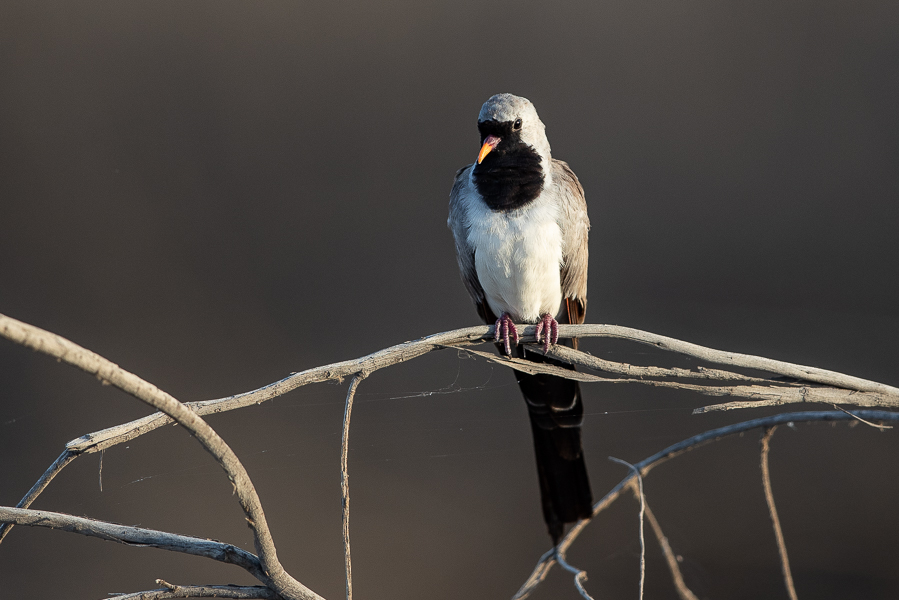
Late April produced a small number of migrants with two Common Nightingale probably the best birds. We saw a few shrikes that were mainly male Red-backed Shrikes although a few females were also present. A single Woodchat Shrike and three Daurian Shrikes were also recorded. There were a lot of Willow Warblers but no Common Chiffchaffs and plenty of both Common Reed Warbler and Clamorous Reed Warbler that are abundant breeders in the reed beds. A single Great Reed Warbler was also located. One Spotted Flycatcher was seen perched on a fence on the way out of the location. Namaqua Doves were present as is normal these days, another species that has increased in numbers significantly over the last few years at this location. Herons were mainly Grey Heron, with a few Little Egrets and several Black-crowned Night Herons. This last species appears to now be a breeding resident as juveniles and adults are seen throughout the years with birds seen on almost every visit.
![]() |
| Black-crowned Night Heron - adult |
![]() |
| Namaqua Dove - male |
![]() |
| Red-backed Shrike - male |
![]() |
| Red-backed Shrike - male |
02 May 2023
Western Cattle Egret - Jubail
The number of Western Cattle Egrets in Jubail appears to be increasing year on year and in late April we saw at least 25 birds with some of the birds coming into full breeding plumages. It was previously a scarce species in the Eastern Province of Saudi Arabia but since the 2000’s good numbers of birds were seen that have increased to toady’s numbers slowly over the last ten years. Birds are now seen on most trips to Jubail, whereas in the past they were only seen rarely. They are normally quite confiding and allow close approach in the car, allowing for good photos to be taken.
29 April 2023
Jaffa Groundsel – Dhahran Hills
Whilst birdwatching around the Waste Water Lake in Dhahran at the weekend I came across some nice clumps of Senecio glaucus which is an annual plant that grows in the desert and is also known as Jaffa groundsel or Buck’s horn groundsel. They are found in sandy soil of coastal plains and Gulf islands as well as steppes and are native to a large area of the Middle and Far East including Saudi Arabia. The plants were growing next to the main open water area on the extreme edge of where the water level was currently reaching. They are a common and widespread plant in the Eastern Province of Saudi Arabia.
25 April 2023
Cakile arabica - Dhahran
Whilst walking around the Waste Water Lake in Dhahran I came across a good number of small purple flowering plants, about 60 cm tall, growing in stable sand that turned out to be Cakile Cakile arabica. This plant has purple flowers that are 12-20mm wide and give off a sweet fragrance. They tend to grow in colonies, which in rainy years are so extensive that they create a sea of pinky-purple in the desert. Insects, especially butterflies and moths, find it a good food source. This species occurs only in Arabia, north to Syria and Iraq, and in the Sinai Peninsula.
21 April 2023
Painted Lady Butterfly – Al Uqayr
A big influx of Painted Lady butterfly occurred in mid-March with hundreds of butterflies everywhere you looked. Although the Painted Lady can survive in Saudi Arabia in most years the majority of butterflies are probably migrants. The Painted Lady is the most widely distributed butterfly in the world occurring on all continents except Antarctica. It is a large butterfly with a buffy-orange background colour to the upper-wings. The forewings have black tips marked with white spots and the hind-wings have rows of brown or black circular spots. The underside of the wing is pale buff brown than the upper-wing. Newly emerged butterflies are brighter coloured, with the colouring becoming muted with age.
19 April 2023
Bladderdock – Dhahran Hills
Whilst walking around the Dhahran Waste Water Lake I came across some Bladderdock Rumex vesicarius. This is an abundant annual found on rocky land and shallow sand and can be seen in various places in Dhahran Aramco camp. It is most noticeable when fruiting, when it bears large, long clusters of papery winged fruits that are often pink, red or pale straw in colour. Sandwiched between the wings is the seed. The leaves are glabrous and slightly succulent. They are the favorite food of the Striped Hawkmoth caterpillar, which in a rainy year, can be seen feeding on these plants in large numbers. Its height is up to 35 centimetres and it has been used in traditional medicine to cure stomach complaints and toothache.
17 April 2023
Arabian Darkling Beetle – Al Uqayr
Recently whilst walking around the flat desert area at Al Uqayr I came across a few Arabian Darkling Beetles on rough sand. This is one of the most common species of Arabia and is found in many locations. There are many darkling beetles but this one appears to be the most common. They are not so easy to photograph as they are always on the move, but luckily it was cloudy and the beetles were less mobile allowing the below photos to be taken.