Showing posts with label Yellow Wagtail (thunbergi). Show all posts

19 May 2024

Last of the Yellow Wagtails – Dhahran Cricket Field

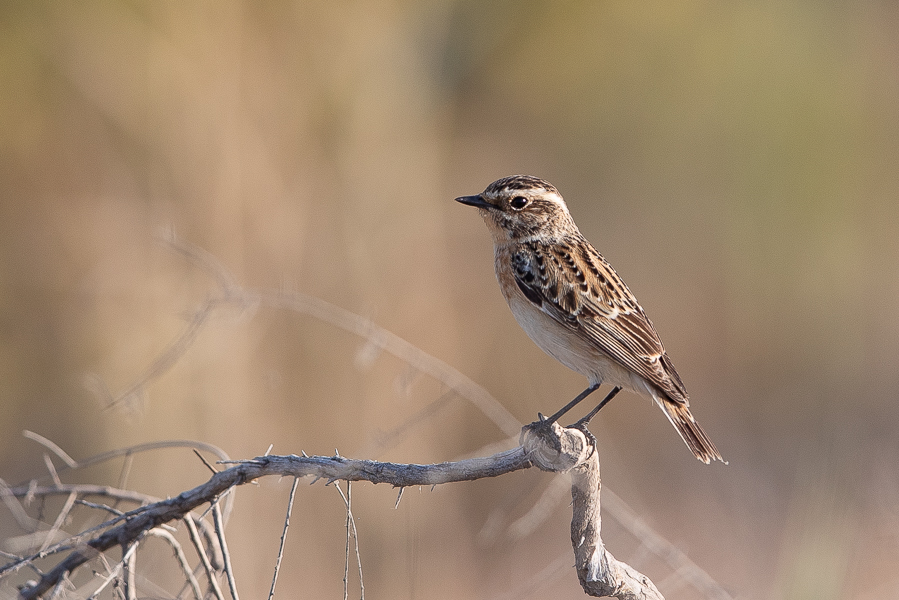
Yellow Wagtails have been plentiful this spring, with hundreds seen on some days. Over the last week numbers have been declining but there are still tens to be seen most days including various sub-species such as Grey-headed, Yellow-headed and Sykes’s Wagtails. I have not been able to get to the area at first light recently and by the time I have arrived the light has not been so good but I still managed to take a few reasonable photos of some of them. The autumn is not as good as the spring for this species and birds are nt in as good plumage either so I have spent quite a lot of time enjoying the birds over the past month or so.


09 April 2024

Various subspecies/types of Yellow Wagtail – Dhahran Hills

Whilst birding the Dhahran Hills football fields in the spring I came across a number of different subspecies/types of Yellow Wagtails. The main numbers were Sykes Yellow Wagtail Motacilla flava beema amongst them, which is an early migrant with March and April being the best months for seeing them. They are more often seen in spring then autumn. A single thunbergi, also known as Grey-headed Wagtail was seen. This subspecies occurs from Scandinavia eastwards to northwest Siberia and they winter mainly in sub-Saharan Africa and across South & southeast Asia. Yellow Wagtails are common in the Eastern Province throughout the spring with various subspecies passing but thunbergi appears to be one of the late passing subspecies with most records occurring in late April and May, so this bird was an early migrant. As always with wagtails they were difficult to get good photographs of as they are always moving and in areas with lots of vegetation. My best shots are shown below. The other common Yellow Wagtail seen was Black-headed Wagtail feldegg which along with melanogrisia are often the first subspecies to occur. They are then followed by bema, flava and thunbergi. The Black-headed Wagtail is part of the Yellow Wagtail complex a group of birds that are common spring and autumn passage migrants, sometimes in hundreds. Thy pass from mid-February to May and again from early August to mid-November with many races identifiable in the field including feldegg, melanogrisia, lutea, flava, thunbergi and bema. By April, flocks of more than a hundred birds are regularly recorded in cultivated areas. Sykes's Wagtail and Blue-headed Wagtail are sometimes difficult if not impossible to separate in the field.

Black-headed Wagtail - feldegg

Blue-headed Wagtail - flava

Sykes's Wagtail - beema

Grey-headed Wagtail - thumbergi

Sykes's Wagtail - beema

White Wagtail


14 May 2023

Hundreds of Shrikes – Jubail

Birding the Jubail area in early May produced a good number of migrants. On arrival it became apparent there were plenty of shrikes around and by the end of the day I had counted 142 Red-backed Shrikes, 12 Lesser Grey Shrikes and six Daurian Shrikes. Although shrikes are common in Saudi Arabia on passage this was an exceptional number for a single day and single location. Warblers seen were mainly Willow Warbler and Barred Warblers with a few Common Whitethroat. Other migrants included a few European Bee-eaters flying over calling, several Spotted Flycatchers, several small groups of Ortolan Bunting and four Whinchat. Yellow Wagtails were seen in various locations in several large groups with most birds being male thumbergi. A single Common Nightingale and two Rufous-tailed Scrub Robins were also seen. Wader numbers are building again with most birds being Little Stints and Kentish Plovers.

Common Whitethroat

Lesser Grey Shrike

Lesser Grey Shrike

Lesser Grey Shrike

Lesser Grey Shrike

Ortolan Bunting

Red-backed Shrike

Spotted Flycatcher

Spotted Flycatcher

Whinchat

Whinchat

Whinchat

Whinchat

Willow Warbler

Willow Warbler

Yellow Wagtail - thunbergi

Yellow Wagtail - thunbergi

Yellow Wagtail - thunbergi

Yellow Wagtail - thunbergi


12 May 2023

Migration in full swing – Dhahran Hills

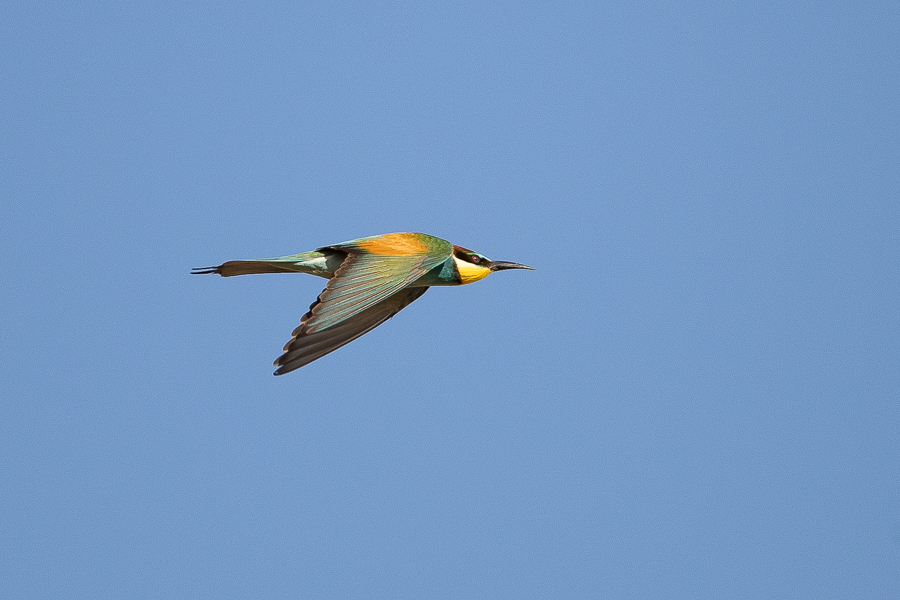
Birding the Dhahran Wastewater Lake in early May produced a good number of migrants. Shrikes were plentiful with up to ten Red-backed Shrikes and at least two Lesser Grey Shrike, a species not seen commonly in Dhahran. The birds were feeding on beetles on a grassy area but also in the scrubs beside the wastewater lake. A single large Acacia tree has a minimum of thirty warblers in it, most being Willow Warbler but at least two Barred Warbles, a single Eastern Olivaceous Warbler and a Common Whitethroat were also present. Other migrants included a flock of nine European Bee-eaters flying over calling and double figure numbers of Spotted Flycatchers. Whinchat, another scarce visitor to the Dhahran area was seen in the highest numbers since I have been here with at least seven birds recorded. Yellow Wagtails were seen in various locations in small numbers but totalled 26 birds in total with some nice male thumbergi seen at close range. A few pipits were seen flying over calling with all being Red-throated and one or two were also in the grassy areas feeding on insects.

European Bee-eater

European Bee-eater

European Bee-eater

Lesser Grey Shrike

Lesser Grey Shrike

Lesser Grey Shrike

Red-throated Pipit

Red-backed Shrike

Spotted Flycatcher

Spotted Flycatcher

Whinchat

Whinchat

Whinchat

Whinchat

Willow Warbler

Willow Warbler

Willow Warbler

Yellow Wagtail - thunbergi

Yellow Wagtail - thunbergi

Yellow Wagtail - thunbergi