Showing posts with label Common Pochard. Show all posts

30 December 2024

Birds on the Lake - Dhahran Waste Water Lake

The Waste Water Lake has been attracting a number of Common Black-headed Gulls in the early morning which have been coming and resting with the resident Great Cormorants on the lake. Duck are still regularly being seen with Ferruginous and Tufted Duck seen on every visit and once three Pochard were seen, a more unusual species but still one seen every year at this location. Herons include Western Cattle Egret, Grey Heron, Western Great Egret, Squacco Heron and Western Reef Heron. Waders have been thin on the ground but a Green Sandpiper and three Common Sandpipers are resident the last month or so.

Western Reef Heron

Western Cattle Egret


Common Pochard

Ferruginous Duck

Common Sandpiper

Common Sandpiper

Common Black-headed Gull

Common Black-headed Gull


15 December 2023

Fifteen Common Pochard – Dhahran Waste Water Pond

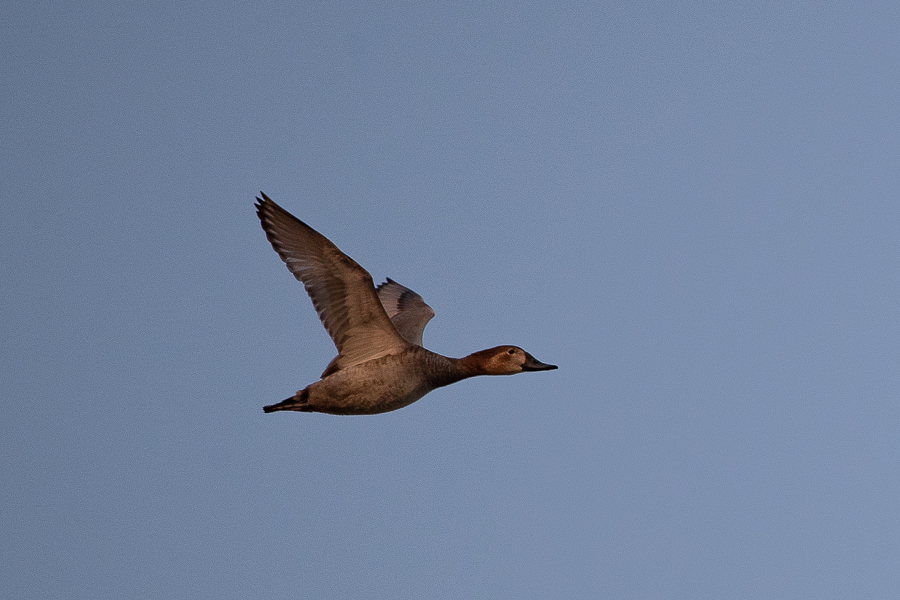
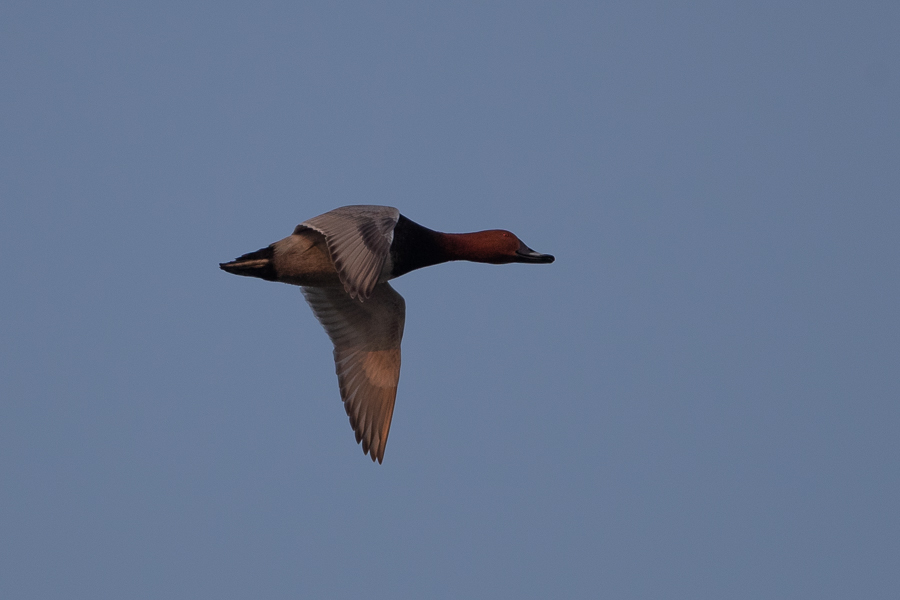
On 9 December I saw fifteen Common Pochard Aythya ferina on the Waste water Pond in Dhahran. This is one of the more unusual species of duck for the camp. They were associating with a large number of Northern Shoveler and were very timid and flew almost as soon as I had seen them, although I did manage to get a few flight photos as they were moving off. This pond is a good location for duck as it is inside a protected Saudi Aramco compound where hunting is completely prohibited and very few people visit. Common Pochard was once a common winter visitor to the Eastern Province but is now an uncommon winter visitor occurring from mid-October to mid-March normally as singles or in small groups of up to five birds. Previously it was regular at Abqaiq until the late 1980’s but prior to 1981 it was regular at Dhahran and in February of that year a maximum of 155 were recorded. Previously it was also regular at Hofuf lakes where a maximum count of 500 was made where they occurred from October to March but were also seen in April to early June and in August and September. Away from the Eastern Province it is also an uncommon winter visitor mainly to the Riyadh area and southwest near Jizan. The status at present in Saudi Arabia is a scarce passage migrant & erratic winter visitor. This bird is widespread throughout Saudi Arabia as a passage migrant (February to April and September to October) with migration across a broad front. They prefer open freshwater sites, such as lakes, wastewater lagoons and sheltered coastal lagoons where they feed on aquatic vegetable matter as well as molluscs and crustaceans.


28 November 2022

Five Common Pochard – Dhahran Hills

On 23 November I saw five Common Pochard Aythya ferina on the Wastewater Pond in Dhahran. This is one of the more unusual species of duck for the camp. It was associating with a single Ferruginous Duck, single female Northern Pintail and was close to seven Northern Shoveler. I manage to walk, remaining well hidden in the vegetation, to a large bush and sat down to see if the birds would come closer. They did move closer but unfortunately were flushed by a person walking on the other side of the lake and flew off. They circled around a few times thinking about landing again but eventually flew off for good, although I did manage to take a few photos of them in flight as they came right overhead as they did not realise I was there. This pond is a good location for duck as it is inside a protected Saudi Aramco compound where hunting is completely prohibited and very few people visit. Common Pochard was once a common winter visitor to the Eastern Province but is now an uncommon winter visitor occurring from mid-October to mid-March normally as singles or in small groups of up to five birds. Previously it was regular at Abqaiq until the late 1980’s but prior to 1981 it was regular at Dhahran and in February of that year a maximum of 155 were recorded. Previously it was also regular at Hofuf lakes where a maximum count of 500 was made where they occurred from October to March but were also seen in April to early June and in August and September. Away from the Eastern Province it is also an uncommon winter visitor mainly to the Riyadh area and southwest near Jizan. The status at present in Saudi Arabia is a scarce passage migrant & erratic winter visitor. This bird is widespread throughout Saudi Arabia as a passage migrant (February to April and September to October) with migration across a broad front. They prefer open freshwater sites, such as lakes, wastewater lagoons and sheltered coastal lagoons where they feed on aquatic vegetable matter as well as molluscs and crustaceans. 


22 November 2014

Still plenty of duck on the percolation pond – Dhahran Hills

Birding the ‘patch’ the last week has been livened up by the number of duck on the percolation pond. Construction work in the area has prevented many people walking their dogs and driving their bikes around the area of the pond and as a result the number of duck has increased significantly. High counts include 45 Common Pochards, 110 Northern Shovelers, seven Mallards, three Gadwalls, four Tufted Ducks, ten Ferruginous Ducks and six Eurasian Teal. The Black-necked Grebe found the previous week was still present and five Little Egrets and forty Western Cattle Egrets were also using the pond to roost in. Numbers of Great Cormorants have also built up in recent days and now over twenty are using the pond in the evening. Other interesting birds around the pond have included Bluethroat, Water Pipits, Eurasian Sparrowhawk, Indian Reed Warblers and Common Chiffchaff.
Common Pochard
Mallard
Black-necked Grebe
Black-necked Grebe

11 November 2014

Black-necked Grebes on the pond – Dhahran Hills

A visit to the ‘patch’ on 7 November to help show Lou, a birder from Riyadh, Common Pochard and Gadwall, two new species for him in Saudi Arabia proved to be quite good. When I arrived I found all the duck from the last few days still in place and also a Black-necked Grebe quite close to the edge. After some time it was joined by a second bird. This is only the second time I have seen the species on the ‘patch’ with the first being on the settling pond. Duck numbers remained high with plenty of Common Pochard, Ferruginous Duck and Northern Shoveler. A single Pintail, one Tufted Duck, two Gadwall and two Eurasian Wigeon were also present. Other birds of note included five Little Egrets, two White-winged Terns, a Gull-billed Tern and a flyover flock of about twenty Blue-cheeked Bee-eaters. Two Clamorous Reed Warblers were also seen in the reeds and the first five Great Cormorants of the winter flew in to roost. The only waders seen were five Black-winged Stilts and three Ruff.
Black-necked Grebe
Common Pochard
Gadwall
White-winged Tern
Great Cormorant

20 October 2014

A few more birds – Dhahran Hills

There have been a few more birds around recently but things are still very quiet. An immature Greater Spotted Eagle has been seen around the spray fields ad percolation pond often perched in the large trees. Duck numbers have increased on the pond with 21 Northern Shovellers, 12 Ferruginous Ducks, three Garganey and the Common Pochard is still present. The pond also had an adult Grey Heron and a single Little Egret, a species that is not seen very often on the ‘patch’ as well as 20+ Western Cattle Egrets. A small fall of Pied Wheateras occurred on one day with seven birds, mainly first year males present in the scrubby desert area. The spray fields had a single Turkestan Shrike, one Red-backed Shrike perched on one of the spray heads and a single White Wagtail was still around the settling pond.
Pied Wheatear - first year male
Red-backed Shrike
Common Pochard

16 October 2014

Common Pochard – Dhahran Hills

On 13 October I saw a Common Pochard Aythya ferina on the Percolation Pond. This is an unusual species for the camp where they are less than annual. It was associating with the flock of eleven Ferruginous Ducks but was very timid and flew on severl occasions when it heard noise. The Common Pochard was once a common winter visitor to the Eastern Province but is now an uncommon winter visitor occurring from mid October to mid March normally as singles or in small groups of up to five birds. Previously it was regular at Abqaiq until the late 1980’s but prior to 1981 it was regular at Dhahran and in February of that year a maximum of 155 were recorded. Previously it was also regular at Hofuf lakes where a maximum count of 500 was made where they occurred from October to March but were also seen in April to early June and in August and September. Away from the Eastern Province it is also an uncommon winter visitor mainly to the Riyadh area and southwest near Jizan.


20 February 2012

A Great Evenings Birding on the ‘Patch’ – Dhahran Hills

Yesterday I spent the evening after work on the ‘patch’. The weather had been quite overcast and windy the previous few days and although the wind had dropped there was still a lot of dust in the air and conditions did not look too good. I drove across the scrubby desert area on the way to the percolation pond and did not see much of interest with the exception of two Tawny Pipits. This is a wintering species and they will be moving off in the next couple of months. When I got to the pond there did not seem to be too many birds about as it was too early for the Great Cormorants to arrive and the gull numbers were significantly down on previous days. There was, however, one really obvious bird sitting amongst the smaller Common Black-headed Gulls and that was an adult Great Black-headed Gull in full summer plumage. This is an unusual bird inland and although Dhahran is only ten kilometres from the coast it is far enough to make the species very rare here, although I was lucky enough to see an adult in full summer plumage in March 2011 at the same site. The bird seemed quite unsettled and continually took to the air and circled around settling on the pond only briefly before flying again. After only five minutes the bird flew off over the base towards the sea and I did not see it again. You can see from the last two photographs on the bird sitting on the water how much bigger than Common Black-headed Gull the Great Black-headed Gull is.

 Great Black-headed Gull (adult summer plumage)
 Great Black-headed Gull (adult summer plumage)
 Great Black-headed Gull (adult summer plumage)
 Great Black-headed Gull (adult summer plumage)
Great Black-headed Gull (adult summer plumage)

The pond also held four Common Pochards including one adult male. This is a species that was previously common on the pond but is now uncommon with my last sighting in December last year. The four birds looked like they were quite happy on the pond and were still there at last light. This pond is one of the only really safe habitats for birds as no hunting is possible in the camp is it is very well protected and guarded by security, so it is always nice to see duck here as they will not be shot.
Common Pochard (adult male centre)

After spending an hour looking at the pond where there was little else out of the ordinary, with the exception of six Common Morehens which have reappeared after being missing for several weeks, I went for a walk around the pond looking to see if any migrants may have arrived. At the main wet corner outside the pond I was surprised to see that a fall of migrants had occurred and the Tamarisk trees and bushes were full of warblers. I saw 55 Common Chiffchaff, one Lesser Whitethroat and one Desert Whitethroat here as well with two Bluethroats were flitting around the wet area. After spending at least thirty minutes looking at all the warblers I moved on to see if birds were present elsewhere and Common Chiffchaffs were thinly spread around the whole pond edge in the trees. I counted 105 birds in total during the walk, but that will be a minimum as others were calling which I did not count as I did not see all of them. Whilst walking around after looking at the warblers, I saw a large bird of prey flying along the tree edge at the far side of the pond. This is where I had seen Crested Honey Buzzard before and the bird appeared to be large with well barred under-wings but the views were brief and into the setting sun. The bird appeared to land as I did not see it come out of the end of the trees so I walked around to see if I could get better views. As I was walking I flushed a large Eurasian Sparrowhawk from the trees. The bird flew across the pond and landed in a tree on the far side close to where the other bird of prey had landed. The next bird I saw was a Common Kestrel flying away that landed in the top of the only large tree in the scrubby desert area. There seemed to be birds everywhere as I walked to look for the birds of prey and I got good views of a Moustached Warbler sitting out in the open. This is only the second time I have seen the species in Dhahran with the last time being March 2011. After looking at a few more Common Chiffchaffs I saw the large bird of prey sitting in a tree, but unfortunately the bird also saw me a flew a short distance into the scrubby desert area. This time the bird did not look like a buzzard and I was slightly confused as to what it was. The Eurasian Sparrowhawk then took to the air and flushed the larger bird of prey from the scrubby desert area and I could see it better even though it was flying into the setting sun. It was a second calendar year Short-toed Snake Eagle and I managed to get a couple of poor shots as it flew off. This is a very scarce bird for the area although I have now had three different sightings in the same location in less than a year, one second calendar year 31st March 2011 and two juvenile birds together 22nd October 2011.
 Short-toed Snake Eagle (second calendar year)
 Short-toed Snake Eagle (second calendar year)