Showing posts with label Common Moorhen. Show all posts

28 December 2022

Birds of Prey – Jubail

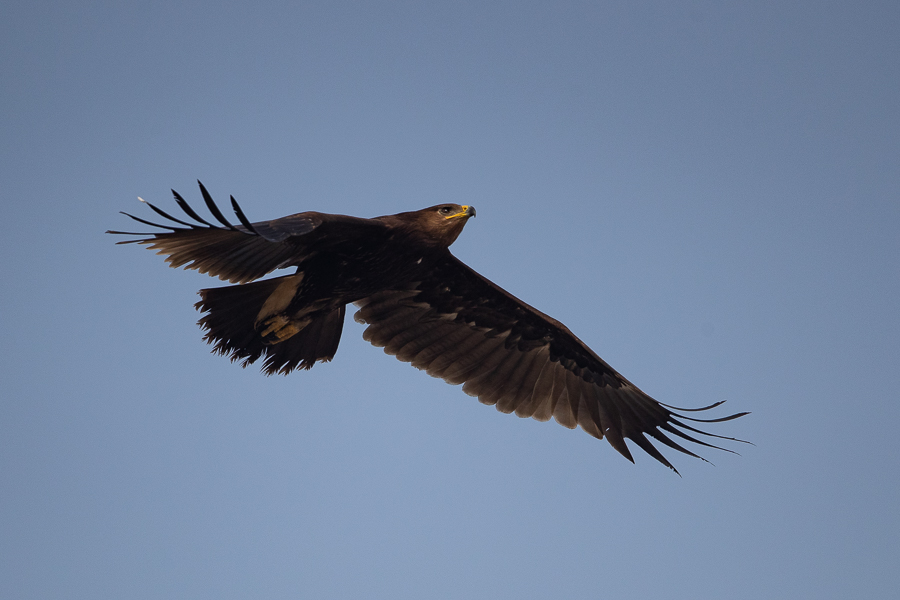
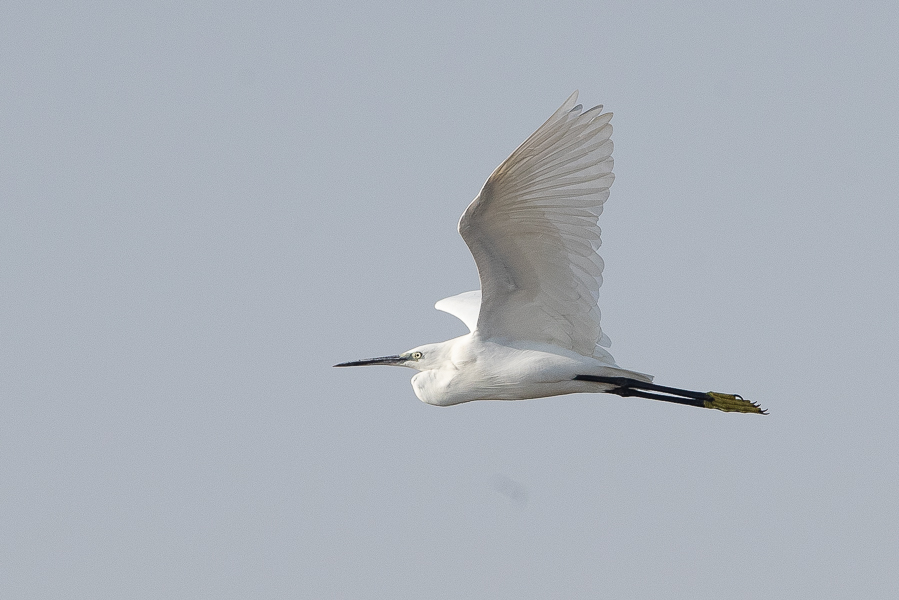
The last visit to Jubail produced at least six Greater Spotted Eagles, mainly seen perched on the power pylons, but occasionally in the reedbeds as well. Other birds of prey seen included a single Long-legged Buzzard and well over ten Western Marsh Harriers including a male. One female remained perched in a tree which is unusual for the species as they normally fly before you can get close, so a couple of photos were taken (shown below). Other birds seen included a few wintering Daurian Shrikes, plenty of Squacco Heron and Little Egret as well as a number of Grey Heron and Great Egret and a few Greater Flamingo. Common Moorhen numbers are remaining steady but at much reduced numbers compared to those of several years previously and Grey-headed Swamphen remain common at the location. White Wagtail and Water Pipit numbers are slowly increasing as winter progresses.

Greater Spotted Eagle


Western Marsh Harrier

Western Marsh Harrier

Common Moorhen

Little Egret

18 November 2022

Some resident species – Jubail

As things have been quite quiet recently, I have taken some time to try to photograph a few resident species I seldom photograph. Below are a couple of photos two such common resident species, House Sparrow and Common Moorhen. A resident species I have had more success with, in the past was Little Grebe and a couple have been close enough for photographs. A Grey-headed Swamphen also put on good show for the second time this month.

House Sparrow

Little Grebe

Common Moorhen

Grey-headed Swamphen

Grey-headed Swamphen

23 January 2019

Winter visitors - Jubail

Whilst birding Jubail recently I came across a number of winter visitors who spend most of the winter in the Jubail area. Species seen included Daurian Shrike, Eurasian Stonechat and Pied Kingfisher. Other species seen that are resident were Common Moorhen, Grey-headed Swamphen and Squacco Heron. Wader numbers were well down on normal with only a few Green Sandpiper in evidence but the Greater Flamingo numbers have increased to 5000+. Four Greater Spotted Eagles and 20+ Western Marsh Harriers were also seen.
Daurian Shrike
Daurian Shrike
Eurasian Stonechat
Eurasian Stonechat
Pied Kingfisher
Pied Kingfisher
Common Moorhen
Common Moorhen 
Grey-headed Swamphen
Squacco Heron
Squacco Heron


11 December 2017

A good autumn ringing trip - Jubail

We went ringing on 17 November and caught 53 birds of 11 species including Common Kingfisher, Eurasian (Caspian) Reed Warbler, Clamorous Reed Warbler, Great Reed Warbler, Little Bittern, Graceful Prinia, Red-spotted Bluethroat, Moustached Warbler, Common Chiffchaff, Common Moorhen and House Sparrow. Common Moorhen was a new species for us at our ringing site, although birds are common in the area. We set nets in the same locations each tip with some over water and other over land in rides between reed beds. We set ten nets this trip (8 x 18 metre and 2 x 15 metre). As normal, we arrived well before first light and set the nets during the hours of dark. The best time for catching birds for us are the first couple of hours of day and this was the case this trip. We retrapped 11 birds including nine Clamorous Reed Warbler and two Red-spotted Bluethroat. The Clamorous Reed Warblers were from as early as 9 October 2015 with the Bluethroats only trapped the previous ringing trip to the site on 3 November.
Common Kingfisher
Common Kingfisher
Common Moorhen
Common Moorhen
Great Reed Warbler
Great Reed Warbler
Red-spotted Bluethroat

04 June 2016

Normal fare in Jubail – Record by Phil Roberts

Phil Roberts made a trip to Juabil last weekend and saw a photographed a number of different species. Grey-headed Swamphen is common in the Jubail area and phil saw one eating a dead Tilapia on a track. Other wetland birds he saw included Wood Sandpiper, Common Ringed Plover, Common Moorhen and Western Reef Heron. A few migrants were noted including Willow Warblers, Spotted Flycatchers and a late Turkestan Shrike. Turkestan Shrike is a common passage migrant from early March–late May with the main passage being mid-March to mid-April.
Grey-headed Swamphen
Common Moorhen
Common Moorhen 
Common Ringed Plover
Indian Reef Heron
Indian Reef Heron
Wood Sandpiper
Wood Sandpiper
Willow Warbler
Willow Warbler
Turkestan Shrike
Turkestan Shrike
Spotted Flycatcher
Spotted Flycatcher

08 March 2016

Some good birds in and around Jubail

There are some good areas for birdwatching in Jubail but they take some looking for. The birds that frequent these areas are also good at times and again take some looking for. Whilst birding the area recently I have come across a few good birds including a Citrine Wagtail, and a fly past Long-legged Buzzard. This species appears to be coming more regular in the Jubail area in recent years. Another bird of prey that can be seen in Jubail is the Greater Spotted Eagle a species that is invariably found near water in the winter months. These birds will be departing the region soon, heading back to their breeding grounds to the northeast. Other winter visitors include a small flock of Common Starling, Western Cattle Egrets, several Great Cormorants and Black-headed Gulls a six Pied Kingfishers. Other birds seen included Common Moorhen, Squacco Heron, Ruff, Marsh Sandpiper and Slender-billed Gull.
Citrine Wagtail
Long-legged Buzzard
Long-legged Buzzard
Greater Spotted Eagle
Pied Kingfisher
Squacco Heron
Slender-billed Gull
Common Moorhen 
Common Starling 
Great Cormorant

28 October 2015

Some birds from Al Asfar Lake near Al Hassa – Records by Arnold Uy

Arnold Uy a bird photographer working in Saudi Arabia has sent me a few of his excellent photos of birds he has seen at Al Asfar Lake on the outskirts of Al Hassa. This is a very good, large inland wetland with plenty of water and extensive reed beds. Arnold has seen some good birds at Al Asfar Lake with the best probably a European nightjar a species not seen regularly at all in the Eastern Province where it is an uncommon passage migrant. He has also seen good numbers of Blue-cheeked Bee-eaters, Turkestan Shrikes, Common Moorhens and Western Marsh Harriers species that are more commonly seen but normally only at large expanses of water (excepting the Blue-cheeked Bee-eaters that can be seen anywhere). Arnold has very kindly allowed me to use his photos on my website some of which are reproduced below.
European Nightjar
European Nightjar
Blue-cheeked Bee-eater
Barn Swallow
Barn Swallow
Common Moorhen
Common Moorhen
Common Moorhen
Common Moorhen
Pied Wheatear
Pied Wheatear
Turkestan Shrike
Turkestan Shrike
Western Marsh Harrier

06 November 2013

Thick fog and wet birds – Dhahran Hills


Very early morning the last couple of days has been hampered with thick fog. With the amount of dew about the surrounds looked very unfamiliar as all the trees and grass were covered in dew and many of the birds were wet as well. I went first to the settling pond and found a small group of Western Cattle Egrets that had been roosting in the reeds and were in a very wet state when they flew out and landed on the nearby wire fence. Other birds on the settling pond included a Clamorous Reed Warbler and European Reed Warbler in the reeds and a few waders on the pond edge. These included nine Black-winged Stilts, five Little Stints, two Dunlins and four Ruff. Two Steppe Gulls came in to have a look, the first ones I have seen on the ‘patch’ this autumn and showing the year is progressing to an end.

Western Cattle Egret


Other birds were thin on the ground although a number of wet looking Isabelline Shrikes were about in the spray fields, most of them looking like Turkestan Shrikes. A Eurasian Sparrowhawk flew over a few times, disturbed from its resting place by mountain bikers and a number of Water Pipits were also seen. A single Stonechat was in the spray fields but its sub-specific identification could not be ascertained. A small wet strean had plenty of immature Common Moorhens and a smart adult but little else.
Turkestan Shrike?
Common Moorhen