Showing posts with label Blue-cheeked Bee-eater. Show all posts

01 November 2023

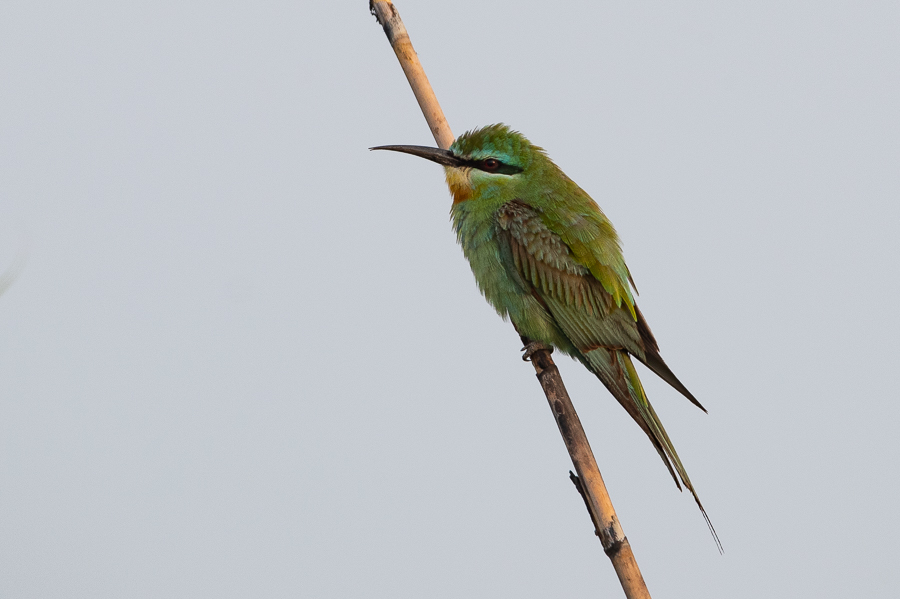
A good number of passing Blue-cheeked Bee-eaters – Dhahran Waste Water Lake

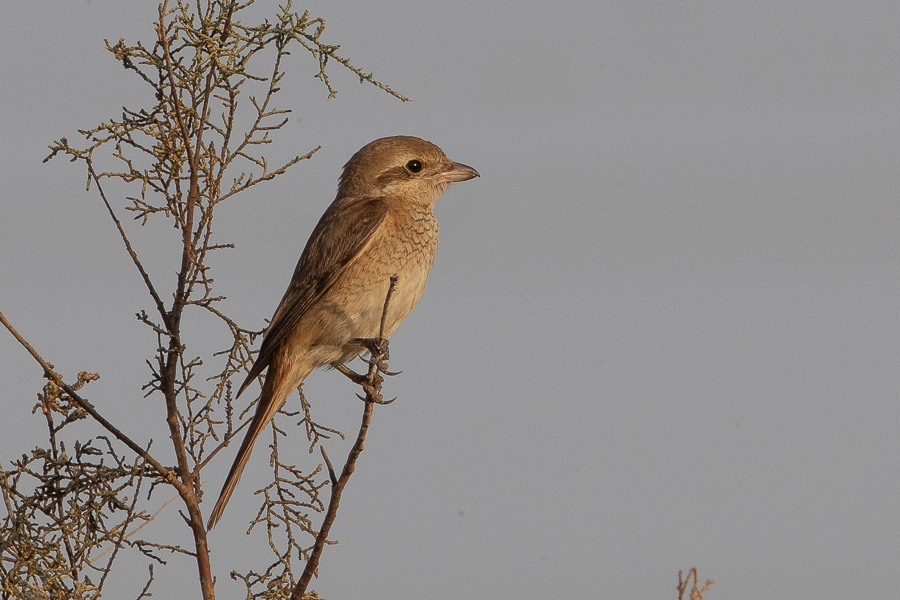
Whilst birdwatching at the Dhahran Waste Water Lake recently I have been seeing a good number of passing Blue-cheeked Bee-eaters, Many have been grounded by the humid conditions and fog, sitting on the overhead power lines. Otherwise the same species of herons remain with only five Black-crowned Night Heron seen now and a single Purple Heron. Grey Heron numbers are still over ten birds and several Squacco Herons remain with about the same number of Little Egrets. Three Ferruginous Duck still remain and a couple of Eurasian Coot. Waders were only a single Common Greenshank and a pair of Black-winged Stilt. A single Daurian Shrike was the best migrant I could find in the scrubby areas.

Blue-cheeked Bee-eater

Blue-cheeked Bee-eater

Eurasian Coot

Ferruginous Duck

Grey Heron

Grey Heron

Squacco Heron

Little Egret

Squacco Heron

Little Egret

Squacco Heron

Black-crowned Night Heron - adult & juvenile

Black-crowned Night Heron - adult

Black-crowned Night Heron - adult


27 October 2023

Blue-cheeked Bee-eaters passing – Jubail

Whilst birding in the Jubail area in late October I came across good numbers of Blue-cheeked Bee-eaters. This species migrates later than European Bee-eater with birds still passing in small numbers through to the middle of November. The autumn has been relatively quiet for most species but good numbers of Blue-cheeked Bee-eaters have been seen every week since early August The birds are mainly flying over when their distinctive calls can be heard, but occasionally they rest up on dead trees, reedbeds and often sit on the ground. Birds are a mixture of adults and juveniles with juvenile appearing to outnumber adults about two or three to one.


06 July 2023

June juvenile Blue-cheeked Bee-eater – Jubail

Whilst birding at Khafra Marsh in late June I came across two juvenile Blue-cheeked Bee-eater. This is a very unusual date to see this species as they are a common passage migrant seen in spring from March to May and in autumn from mid-August to November. Small numbers can sometimes be seen in June and December. Blue-cheeked Bee-eater is normally commoner than its close relative the European Bee-eater in autumn but less common in spring. As these birds were juveniles there is a chance they bred nearby as this is a very early date for a juvenile. As the birds could fly it is impossible to prove they bred locally, however. 


14 November 2022

Blue-cheeked Bee-eaters still moving - Jubail

Whilst birding in the Jubail area in late October and early November I came across good numbers of Blue-cheeked Bee-eaters. This species migrates later than European Bee-eater with birds still passing in small numbers through to the middle of November. The autumn has been relatively quiet for most species but good numbers of Blue-cheeked Bee-eaters have been seen every week since early July. The birds are mainly flying over when their distinctive calls can be heard, but occasionally they rest up on dead trees or even in the reedbeds like the ones below.


04 November 2022

Vary slow migrant wise – Jubail

My recent visits to Jubail have turned up very few migrants. The only migrants that have been about in numbers have been Barn Swallow and Bank Martin as well as Blue-cheeked Bee-eaters. Many have been flying over but other have stayed for a short period of time resting up. Very small numbers of Western Yellow Wagtails have been seen and Pied Wheatears are slowly building up in numbers. A few winter birds have been seen to liven things up including reasonable numbers of Northern Pintail, Daurian Shrike and still five Black-necked Grebe. Heron numbers are increasing as are Caspian Tern.

Pied Wheatear

Daurian Shrike

Daurian Shrike

Daurian Shrike

Daurian Shrike

Blue-cheeked Bee-eater

Black-necked Grebe


07 October 2022

Blue-Cheeked Bee-eaters – Jubail

Last weekend in Jubail, I saw a few Blue-cheeked Bee-eaters flying over calling as well as some others perched catching insects. The species is a common passage migrant through the Eastern Province of Saudi Arabia with good numbers of birds passing in the spring as well as the autumn. Numbers are commoner in the autumn when they outnumber European Bee-eater whereas the opposite is true in the spring. The bird below was part of a bigger group at Jubail and was busy catching and eating bees as can be seen in two of the below photographs. The bird was faithful to one particular branch that made photography a little bit easier.


15 May 2022

Good numbers of migrants - Jubail

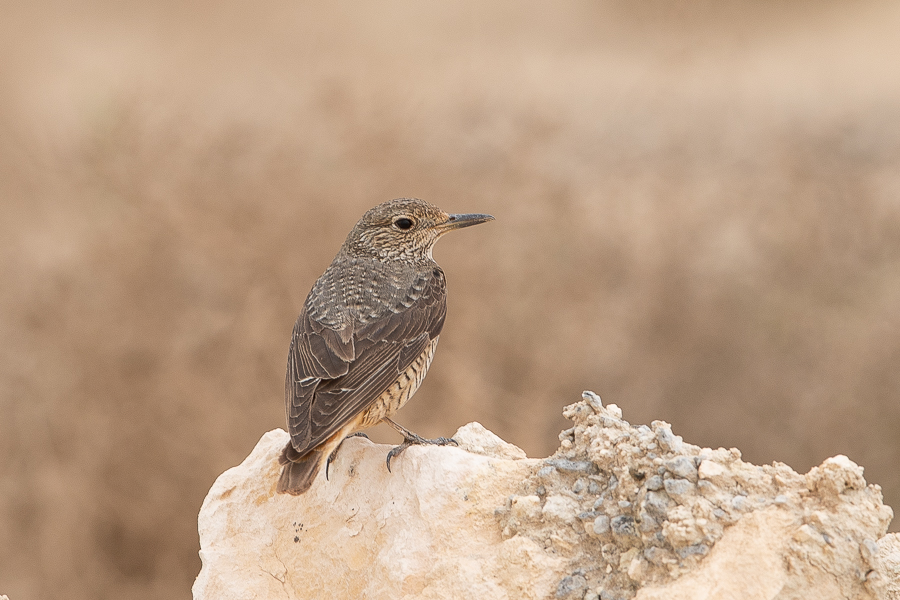
Phil Roberts and I went to Jubail in early May and had a great morning’s birding with lots of migrants. Immediately on arrival we saw ten summer plumage Red-necked Phalaropes, but they were quite distant so no phots were possible. Over the course of the morning, we located 62 species, a very high number for the location where 40 species is normal. The best birds seen were a Rufous-tailed Rock Thrush, an unusual sighting for this location, several Blue-cheeked Bee-eaters, Eurasian Roller, Whinchat, Spotted Flycatcher, Common Redstart, Tree Pipit, and shrikes of various species including Lesser Grey Shrike. Waders were quite numerous with lots of Wood Sandpipers and two Terek Sandpipers seen and Pied Avocet starting to breed along with Little Tern and Black-winged Stilt. It was a good first day birding back in Saudi Arabia after a short break back to the UK.

Blue-cheeked Bee-eater


Blue-cheeked Bee-eater

European Roller

European Roller

Rufous-tailed Rock-Thrush

Rufous-tailed Rock-Thrush

Whimbrel

Whimbrel